
Views: 0 Author: Site Editor Publish Time: 2025-12-10 Origin: Site
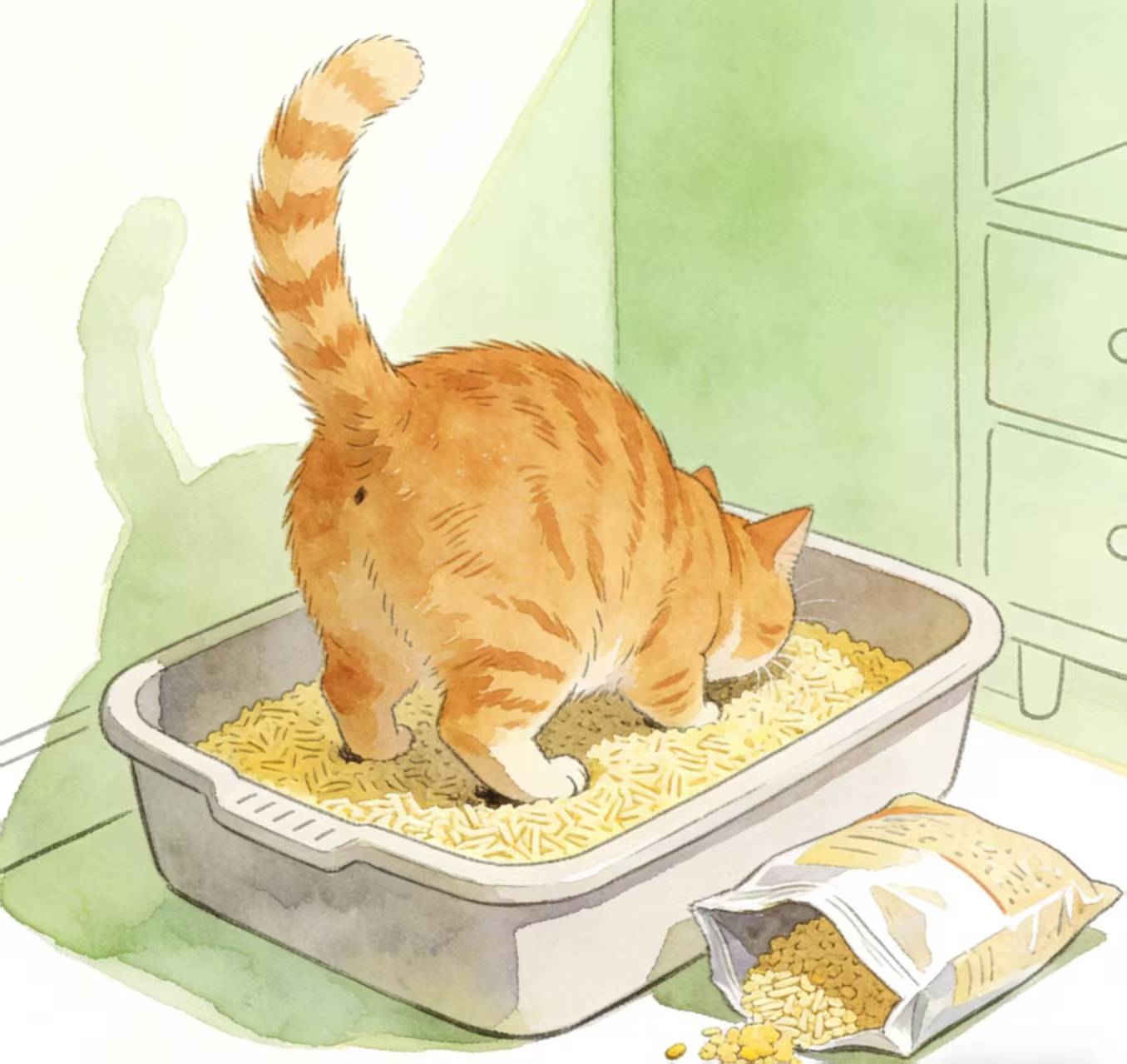
Cats are naturally clean and litter-trained animals, so their changed behaviors around the litter box often signal dissatisfaction with the litter. Recognizing these signs promptly helps adjust the litter type, maintenance routine, or litter box setup to keep cats comfortable and avoid inappropriate elimination. Here are the five core indicators that your cat dislikes its current litter.
First, avoiding the litter box entirely is the most obvious sign. If your cat consistently refuses to use the designated litter box and instead eliminates on carpets, sofas, floors, or other areas, it is likely rejecting the litter. This behavior rarely happens without reason—cats rely on litter for their toileting needs, and avoidance directly reflects discomfort with the litter’s texture, smell, or cleanliness.
Second, hovering or reluctant entry when approaching the litter box shows dislike. You may notice your cat circling around the litter box repeatedly, poking the litter with its paws cautiously, or hesitating to step in. Some cats even stand at the edge of the box to use it without fully entering, which indicates they are uncomfortable with the litter’s feel on their paws, such as overly coarse particles, sticky texture, or excessive dust that irritates their paws or respiratory system.
Third, excessive paw digging or scattering litter is a clear signal of dissatisfaction. While moderate digging is normal for cats to bury waste, unusual over-digging—like scratching the litter deeply for a long time, digging the litter out of the box in large quantities, or scraping the box bottom aggressively—means the cat is trying to find a more comfortable spot or expressing frustration. This often occurs when the litter is too thin, too hard, or has an unpleasant odor that makes the cat want to "escape" the area.
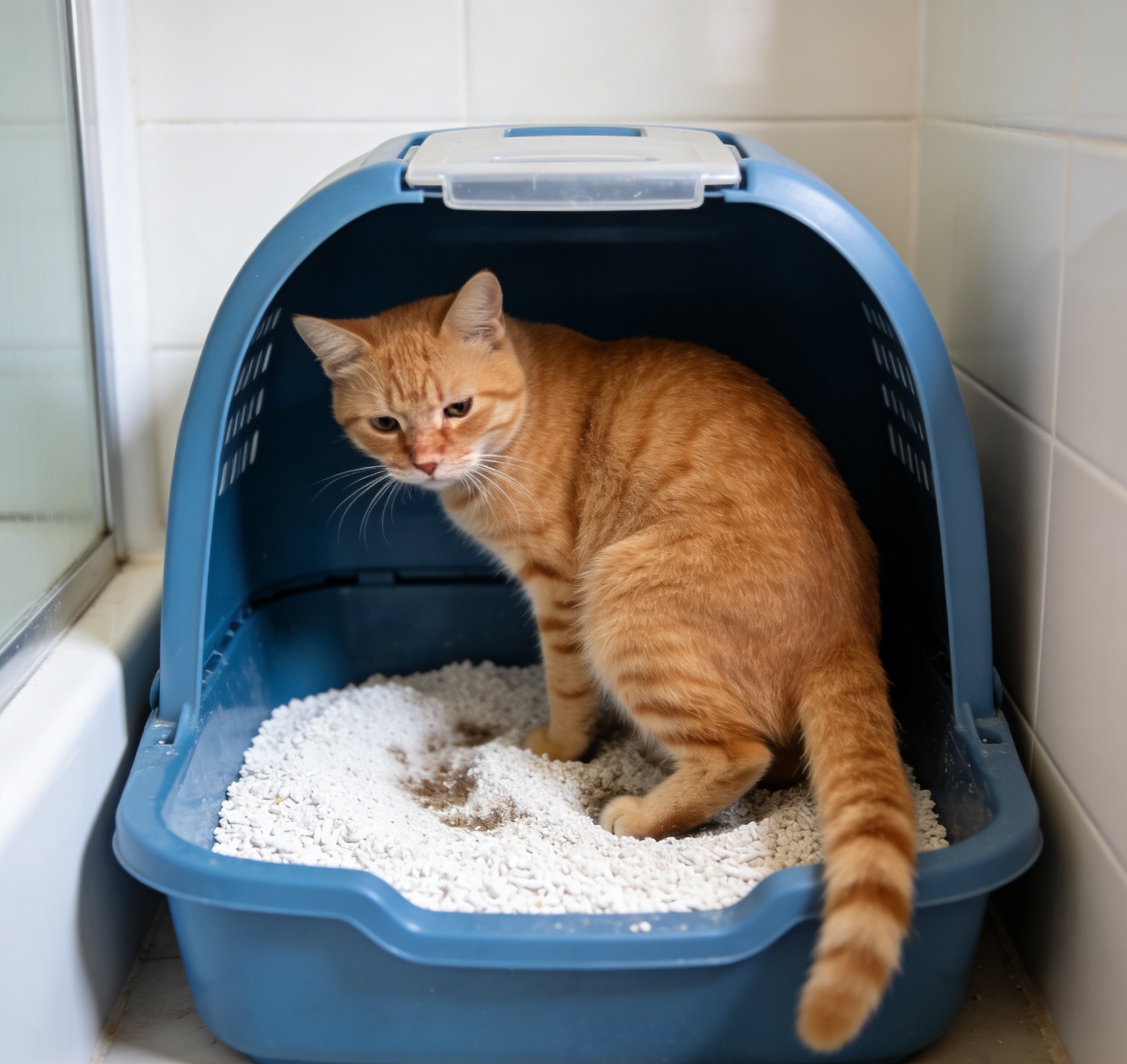
Fourth, showing discomfort during or after using the litter box reveals litter dislike. During use, cats may meow, whimper, or tense up their bodies, which can be caused by litter that irritates their skin, eyes, or urinary tract. After using the box, some cats will immediately lick their paws repeatedly to clean off the litter, shake their bodies vigorously to get rid of dust, or rush away from the litter box area and refuse to stay nearby—all signs that the litter brings them unpleasant sensory experiences.
Fifth, frequent waste burying failures indicate the cat’s rejection of the litter. Burying waste is an innate habit for cats to hide their scent, so if your cat stops burying its waste at all, or only does a perfunctory scratch without covering it, it may be because the litter is not easy to dig and bury (e.g., too light, too clumpy, or too loose), or the litter’s smell makes the cat unwilling to interact with it further. This behavior also implies the cat does not recognize the current litter as a suitable toileting medium.
In summary, these five signs directly reflect a cat’s negative attitude toward its litter. Cat owners or pet care providers should pay close attention to these behaviors, adjust litter choices (such as switching to low-dust, soft-textured, or unscented litter) and maintain regular litter cleaning and box maintenance to meet cats’ toileting needs and ensure their physical and mental health.


